


The Ultimate Guide to Triathlon Gear: Everything You Need to Succeed
Triathlons are a unique multisport event that requires specific gear and equipment to ensure comfort, safety, and performance across all three disciplines: swimming, cycling, and running. From swimwear and bikes to helmets and running shoes, each piece of gear plays a crucial role in a triathlete's race experience. In this comprehensive guide, we'll provide an overview of essential gear for each discipline, offering insights, tips, and recommendations to help you gear up for success in your next race.
Swim Gear
When it comes to triathlon, the right swim gear is the secret weapon for success. Picture getting your hands on goggles that give you crystal-clear vision in the open water and wetsuits designed to boost your buoyancy and speed.. Selecting top-notch swim gear is the key to dominating the swim leg with confidence. So, whether you're plunging into a serene lake or tackling the rolling waves of the ocean, gear up like a champ, dive in, and conquer that race day.
1. Swimwear
Choose high-quality swimwear that provides comfort, support, and hydrodynamics in the water. Opt for a swimsuit or triathlon-specific swimwear made from chlorine-resistant fabric with a streamlined design to reduce drag and improve performance.
When selecting swimwear for triathlons, several key factors are essential to consider:
- Comfort
Choose swimwear that fits well and feels comfortable against your skin. Look for soft, flexible materials that allow for a full range of motion without causing chafing or discomfort during extended periods of wear.
- Hydrodynamics
Select swimwear with a streamlined design that minimizes drag and improves your overall hydrodynamics in the water. A snug fit and sleek silhouette can help you move more efficiently through the water, ultimately enhancing your speed and performance during races or training sessions.
- Chlorine-Resistant Fabric
Triathlon swimwear with chlorine-resistant fabric is like your secret weapon against pool chlorine - it's tough, durable, and built to last through all your training sessions. Say goodbye to faded colors and saggy shapes - this fabric keeps your gear looking fresh and feeling comfy, perfect for triathletes who love a good splash in the pool.
2. Goggles
Choose goggles that fit comfortably and provide a clear field of vision in the water. Look for goggles with adjustable straps, anti-fog lenses, and UV protection to ensure a comfortable and safe swim experience.
Here are some essential factors to keep in mind when selecting goggles for your triathlon race
- Comfort
When picking out goggles, make sure to go for ones with soft, silicone gaskets that feel nice around your eyes and don't let any water sneak in. Adjustable straps are also key to keeping them secure without feeling like they're squeezing your head too tight.
- UV Protection
Protecting your eyes from harmful UV rays is essential, especially during outdoor swim portions of the triathlon. Look for goggles that offer UV protection to keep your eyes safe and reduce the risk of eye damage.
- Clear Vision
Go for goggles with lenses that give you a clear view above and below the water - super important for keeping an eye on buoys and fellow swimmers during your race. Look out for anti-fog lenses to help you see clearly, especially in chilly water or humid weather.
- Lens Color
Consider the lens color based on outdoor race conditions. Clear lenses offer adaptability and work well in low-light settings, while mirrored or tinted lenses can reduce glare and brightness when swimming in sunny, outdoor environments.
- Fit
It's crucial to make sure your goggles fit just right and feel comfortable for your triathlon swim. Before the big day, try them on and adjust those straps to get a nice, snug fit. Well-fitting goggles keep that water out and make sure you're not bothered by any discomfort. When your goggles fit well, you can focus on your swim technique and performance, which amps up your confidence and helps you swim stronger during the race.
3. Swim Cap
A swim cap is essential for keeping your hair out of your face and reducing drag in the water. Choose a silicone or latex swim cap that fits snugly and stays in place during the swim leg of the triathlon.
When it comes to choosing a swim cap for your aquatic activities, several key considerations should be taken into account:
- Material
Select a swim cap made from silicone, latex, or lycra, depending on your preferences and needs. We highly recommend silicone swim caps. Silicone is often considered the best material due to its durability, comfort, and snug fit.
- Design
Search for swim caps with ribbed edges or inner grip panels to ensure they stay snugly on your head, even during intense swimming. Additionally, consider caps with chin straps for extra security, providing peace of mind as you power through the water leg of your race.
- Maintenance
Proper care and maintenance of your swim cap can prolong its lifespan. Rinse the cap with fresh water after each use, avoid exposing it to direct sunlight for extended periods, and store it away from sharp objects to prevent damage.
4. Wetsuit (Optional)
Depending on water temperature and race regulations, you may need a wetsuit for the swim leg of the triathlon. Invest in a triathlon-specific wetsuit made from buoyant and flexible neoprene to provide warmth, buoyancy, and hydrodynamics in the water.
- Fit
Opt for a wetsuit that fits snugly but allows for freedom of movement. A proper fit ensures optimal performance and comfort while preventing chafing or restriction during your swim.
- Material
Choose a wetsuit made from high-quality neoprene material that offers the right balance of warmth, buoyancy, and flexibility. Thicker neoprene provides more insulation in colder waters, while thinner neoprene allows for greater flexibility and range of motion.
- Buoyancy
Consider the buoyancy levels provided by the wetsuit. Increased buoyancy can help improve body positioning and reduce drag, leading to enhanced efficiency and speed in the water.
- Thickness
Select the appropriate thickness of the wetsuit based on water temperature and personal preference. Thicker wetsuits are suitable for colder conditions, while thinner wetsuits offer more flexibility and breathability in warmer waters.
- Zipper Type
Decide between back zip, chest zip, or zipless wetsuit designs based on ease of entry, comfort, and seal against water entry. Each zipper type offers different benefits in terms of fit and flexibility.
- Race Regulations
Familiarize yourself with race regulations regarding wetsuit usage, as some events have specific rules on wetsuit thickness, material, and buoyancy levels based on water temperature and competition categories.
Bike Gear
Having the appropriate bike gear tailored to your needs and preferences can make a substantial difference in your cycling performance and enjoyment throughout the triathlon. The right equipment not only enhances your speed and efficiency on the bike leg but also ensures comfort, safety, and confidence as you tackle varying terrains and distances. By investing in quality bike gear that suits your riding style and race objectives, you can optimize your experience, minimize potential challenges, and elevate your performance to new heights during the cycling portion of the triathlon.
1. Bike
Selecting the right bike is one of the most important decisions for a triathlete. Choose a bike that fits your budget, riding style, and performance goals. Options include road bikes, triathlon bikes, and time trial bikes, each offering unique features and benefits for triathlon racing.
Several key considerations should guide your decision-making process:
- Budget
Determine your budget range for investing in a TTtt bike, considering both the initial cost of the bike and potential additional expenses for accessories or upgrades.
- Riding Style
Assess your riding style and preferences, such as comfort versus aerodynamics, handling on different terrains, and overall performance requirements for triathlon racing.
- Race Distance
Consider the specific race distances you will be competing in, as the demands and features of the bike may vary based on sprint, Olympic, or Ironman distances.
- Fit and Geometry
Ensure that the bike's frame geometry and fit are suitable for your body measurements, riding position, and comfort over long distances.
- Components and Features
Evaluate the components and features of the bike, including the drivetrain, wheels, brakes, handlebars, and saddle, to match your performance goals and riding preferences.
- Aerodynamics
Prioritize aerodynamic design elements in the bike frame, wheels, and components to reduce drag and enhance speed during triathlon races.
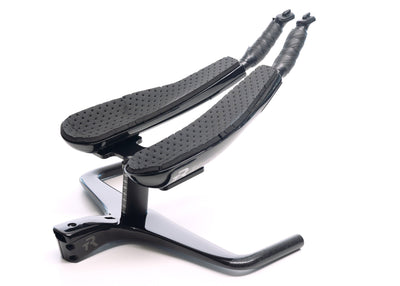
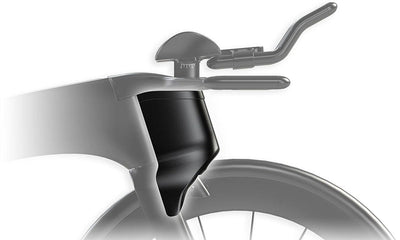
Our top recommendation is the Omni Ultimate for superior aerodynamic performance.
- Versatility
Determine the versatility of the bike for various race conditions, training rides, and adjustments to accommodate changing preferences or race requirements.
- Test Rides and Professional Fitting
Schedule test rides and seek professional bike fitting services to ensure that the bike not only meets your criteria but also provides an optimal fit and performance tailored to your individual needs.
2. Helmet
A helmet is a non-negotiable piece of safety equipment for cycling in a triathlon. Invest in a high-quality, properly fitting helmet that meets safety standards and provides ventilation, aerodynamics, and comfort during the bike leg of the race.
Factors to consider when choosing a helmet include:
- Safety Standards:
Look for helmets that meet safety certifications particularly CPSC indicating that they have passed rigorous testing for impact protection. In the US, bike helmets are required to pass the CPSC helmet standard.
- Fit
Choose a helmet that fits properly and securely on your head without being too loose or too tight. Adjustable retention systems and straps can help customize the fit for comfort and stability.
- Ventilation
Choose a helmet with adequate ventilation to keep your head cool and comfortable, especially during intense cycling efforts in warm conditions.
- Aerodynamics
Consider helmets designed for aerodynamics, which can help reduce drag and improve speed, particularly in races where every second counts.
A top choice is the Giro Aerohead helmet, known for its aerodynamic shape, lightweight construction, and MIPS technology for added impact protection.
- Weight
Select a lightweight helmet that won't add unnecessary strain or discomfort during long rides, allowing you to focus on your performance without distractions.
- Visibility
In low-light conditions or busy traffic environments, prioritize helmets with vibrant colors or reflective elements to enhance visibility and ensure safety on the road.
- Style and Design
While safety and performance are top priorities, choose a helmet that matches your style preferences and complements your overall cycling gear.
3. Cycling Shoes
Cycling shoes are designed to provide power transfer, stability, and efficiency on the bike. Choose cycling shoes that fit snugly, offer a stiff sole for optimal power transfer, and feature a secure closure system such as Velcro straps or boa dials.
Factors to consider when choosing cycling shoes include:
- Fit
Select cycling shoes that fit snugly but comfortably, ensuring minimal movement inside the shoe for efficient power transfer and stability during pedaling.
- Sole Stiffness
Opt for shoes with a stiff sole that maximizes power transfer from your legs to the pedals, allowing for more efficient energy output and reducing foot fatigue over long distances.
- Closure System
Look for a secure closure system, such as Velcro straps, ratcheting buckles, or boa dials, that enables you to adjust the fit precisely and maintain a secure footing while riding.
- Breathability
Choose cycling shoes with breathable materials and ventilation to keep your feet cool and dry, especially in hot weather conditions or during intense workouts.
- Cleat Compatibility
Ensure that the cycling shoes are compatible with your pedal system and cleats, allowing for easy engagement and disengagement while providing a stable connection between your feet and the bike.
- Comfort
Prioritize comfort by selecting shoes with adequate padding, arch support, and room for toe splay, reducing the risk of discomfort, numbness, or hot spots during long rides.
- Weight
Consider the weight of the cycling shoes, opting for lightweight options that minimize unnecessary bulk and contribute to a more responsive and agile cycling experience.
We recommend the Specialized S-Works Trivent for lightweight and high-performance triathlon cycling shoes.
4. Bike Accessories
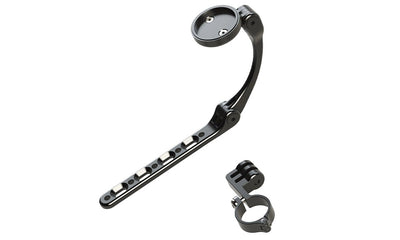
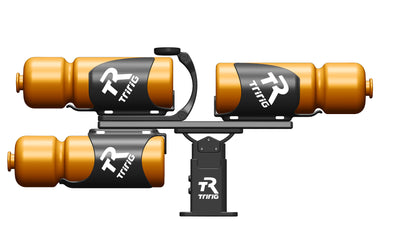
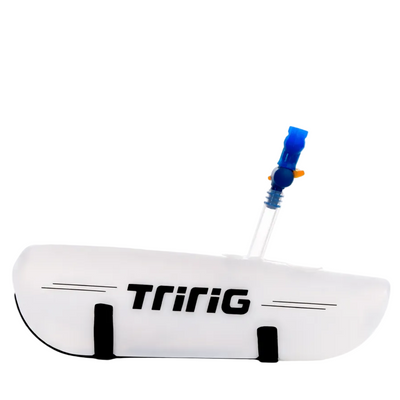
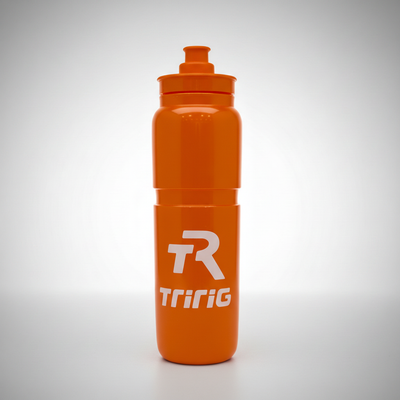
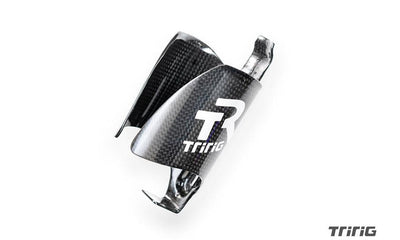
Consider additional bike accessories to enhance your cycling experience, such as a bike computer for tracking speed and distance, a hydration system for staying hydrated on long rides, and a saddlebag for carrying essentials such as spare tubes, tire levers, and multitools.
Run Gear
- Running Shoes
Selecting the right running shoes is essential for comfort, support, and performance on the run leg of the triathlon. Visit a specialty running store to undergo gait analysis and receive personalized shoe recommendations based on your biomechanics and running style.
- Race Belt
A race belt is a convenient and practical accessory for carrying race numbers during the run leg of the triathlon. Choose a lightweight, adjustable race belt with attachment points for securing your race number without pins or clips.
- Visor or Hat
A visor or hat can provide protection from the sun and keep sweat out of your eyes during the run leg of the triathlon. Choose a breathable, moisture-wicking visor or hat with a brim to shield your face and eyes from the elements.
- Compression Gear (Optional)
Compression gear such as compression socks or calf sleeves can aid in muscle recovery and reduce fatigue during the run leg of the triathlon. Consider wearing compression gear during training and racing to enhance performance and recovery.
Transition Gear
- Transition Bag
A transition bag is essential for organizing and transporting your gear to and from the race venue. Choose a spacious, durable transition bag with compartments for swim, bike, and run gear, as well as pockets for valuables, nutrition, and accessories.
- Transition Mat
A transition mat provides a clean and comfortable surface for organizing your gear in the transition area. Choose a lightweight, compact transition mat that can be easily transported and laid out in the transition area on race day.
- Timing Chip Strap
A timing chip strap is essential for securely fastening your timing chip to your ankle during the race. Choose a comfortable, adjustable timing chip strap that stays in place during the swim, bike, and run legs of the triathlon.
Miscellaneous Gear
- Nutrition and Hydration
Pack nutrition and hydration essentials such as energy gels, bars, electrolyte drinks, and water bottles to fuel your body during the race. Practice your nutrition and hydration strategy during training to optimize performance and avoid bonking or dehydration on race day.
- Race Apparel
Select race apparel that is comfortable, breathable, and suitable for all three disciplines. Consider wearing a triathlon-specific race suit or a combination of swim, bike, and run apparel that provides comfort, performance, and versatility throughout the race.
- Recovery Gear
After the race, prioritize recovery and recovery gear such as foam rollers, massage sticks, compression boots, and recovery supplements to aid in muscle recovery and repair. Incorporate recovery practices into your post-race routine to enhance recovery and prepare for future training and racing.
Conclusion
Gear up for success in your next triathlon with the right equipment and accessories to enhance your performance and streamline your race-day experience. Whether you're seeking aerodynamic advantages, efficient gear organization, or reliable nutrition solutions, investing in quality gear tailored to your needs can make a significant difference in your triathlon journey. Prepare, perform, and conquer your races with confidence and efficiency, equipped with the best tools for success.


